





.jpg)



SP Audio 50

SP Audio 50 is a specialized audio file used in swiftlet house speaker systems, designed to attract new birds, retain existing ones, and stabilize the swiftlet population over time.
Interpretation of sound
I have owned and utilized a diverse array of sound systems, navigating from initial setbacks to present-day triumphs. I can assert with certainty that if you identify a malfunctioning sound, I can ascertain its quality, strength, or weakness, or determine if the file accurately captures avian vocalizations.
Why is it that even when established residences already host birds, and a new dwelling is constructed nearby, we are unable to attract them? I guarantee my capability to fulfill your requirements.
- The avian population density fluctuates based on geographical locale...
- From my vantage point, sound plays a paramount role in the initial establishment of a bird-attracting habitat!
- "That's the primary determinant" that we should all comprehend? The rationale and significance of sound?
Initially, numerous birds congregated at the nest, yet few remained. They departed after a period. Following the establishment of approximately a few dozen nests, their activity waned, and development ceased. The design was impeccable, so what were the underlying causes of these issues?
- The Critical Impact of Acoustic Quality Statistically, 70% of unsuccessful swiftlet farming is attributed to the selection of inappropriate acoustics. Poorly curated sounds cause swiftlets to become overly selective, eventually leading to the abandonment of the nesting facility.
- Acoustic Harmony vs. Noise Pollution Swiftlets are instinctively deterred by low-quality acoustics, characterized by excessive noise, inconsistent frequencies, and lack of sonic harmony. Without rigorous filtering, precision editing, and the elimination of acoustic artifacts, the sound becomes "selective" in a negative sense, driving the colony away from the area.
- The "Colony Attraction" Phenomenon Swiftlets are highly social creatures driven by flocking instincts. On their daily foraging flights, they encounter numerous swiftlet houses. If they discover a facility with superior architectural design, high-fidelity acoustics, and a vibrant, active colony, they will instinctively enter to explore and socialize. If that environment proves superior, they will eventually migrate permanently, leaving less-optimized facilities behind.
- Strategic Interior Management To accelerate the recruitment of new birds, it is vital to validate the efficacy of your acoustic strategy: Is the sound attractive, is it engaging, and most importantly, can it retain them? The internal environment is paramount; a thriving, secure-feeling colony acts as a powerful natural magnet, providing the "social proof" that convinces new swiftlets to stay and settle.
The landscape has shifted. We are no longer in an era of abundant birds and scarce housing. Today, every bird has a choice.
"Staying in a 5-star hotel is a world apart from staying in a basic guesthouse."
- Our mission is to engineer the environment they desire most.
- We must stop comparing modern facilities with those built a decade ago. Ten years ago, houses were often constructed without systematic design or advanced technology, yet they thrived simply because there was no competition. If you were the only guesthouse in town, guests had no choice but to stay.
But why do some farms stall at a 5-10kg harvest for years—or even see their colony vanish—until a complete renovation and acoustic system overhaul is performed? Why do the young birds flee instead of settling? Have we asked ourselves: Is there a better way?
The Present is Your Benchmark Do not measure your potential against what was done 15 years ago. Look at the present. Success today requires that your colony is "trained" properly and develops steadily—month by month, season by season, year by year.
The Power of Acoustic Engineering Every sound has a unique purpose and a specific biological effect, born from the creator’s expertise and field experience. If the sound is ineffective, why would the birds choose your house over another? Why do some houses see explosive growth while others stagnate? We cannot deny the truth: acoustic quality is the heartbeat of a successful house.
I speak from experience—from the lessons of failure to the breakthroughs of research. That is why I urge you: Pay absolute attention to your sound.
"WISHING EVERYONE AND EVERY FAMILY ABUNDANT SUCCESS!"
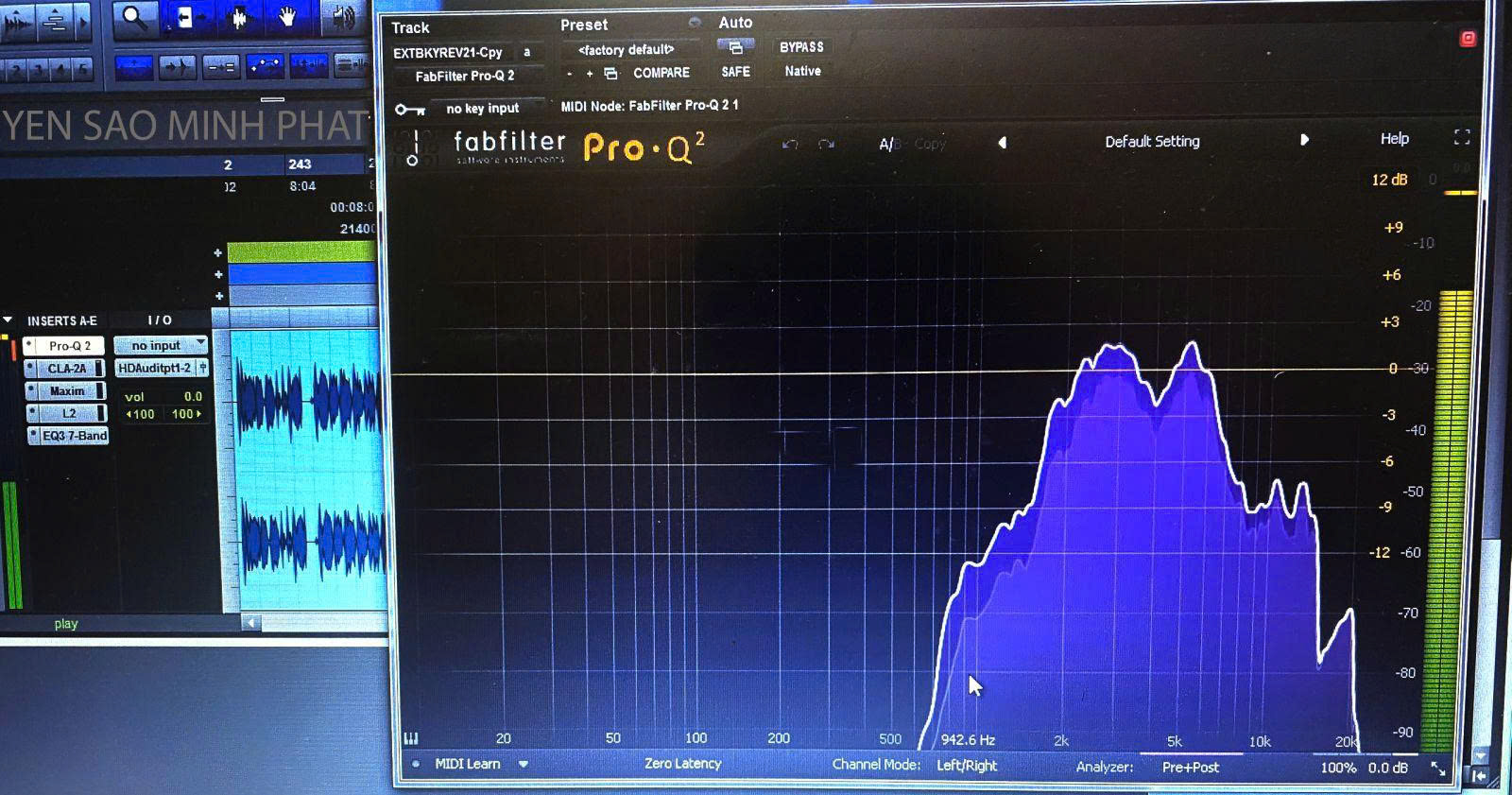
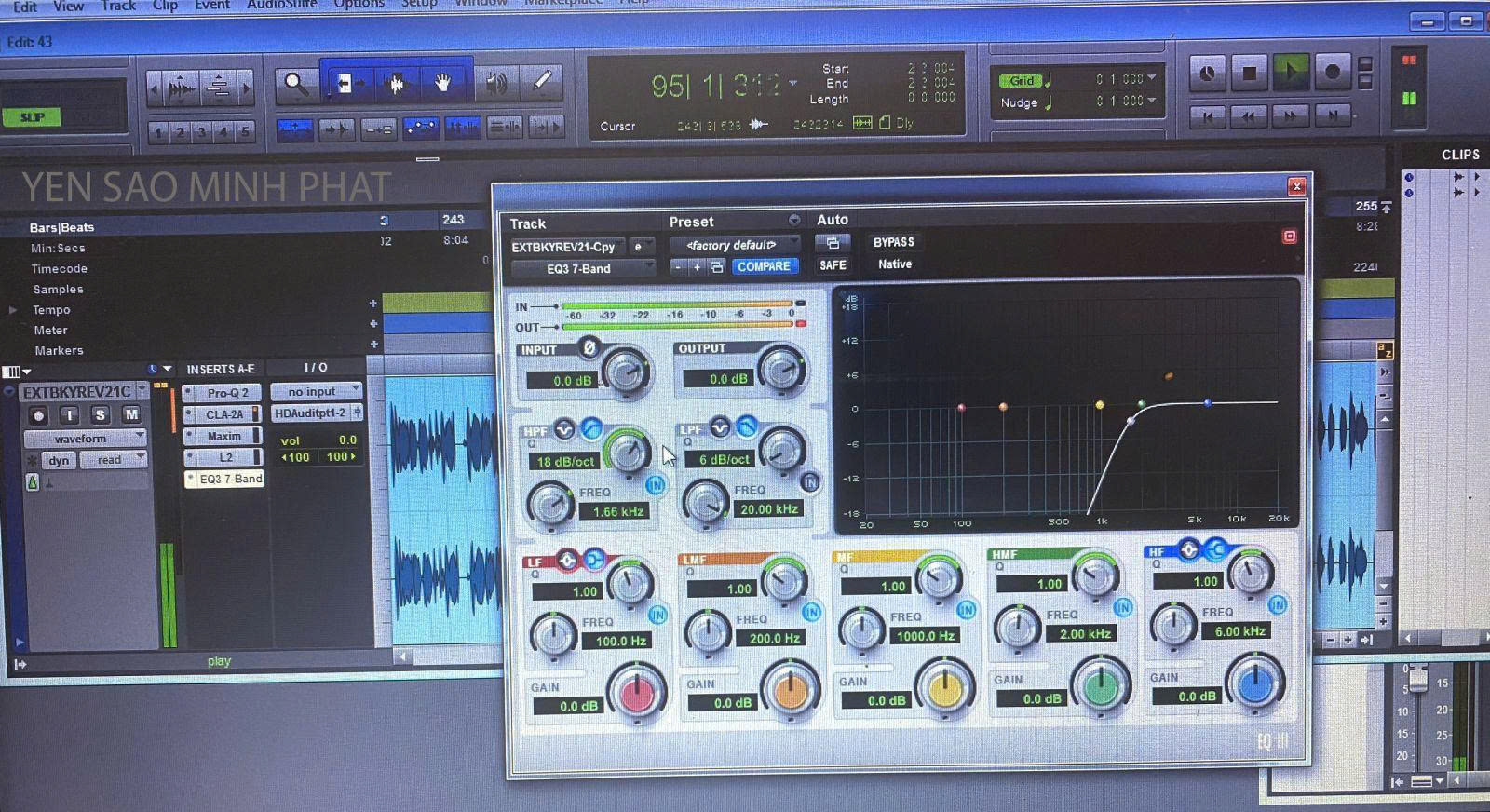
The frequency range for bird calls is most intense at 1K - 8K (Hz).
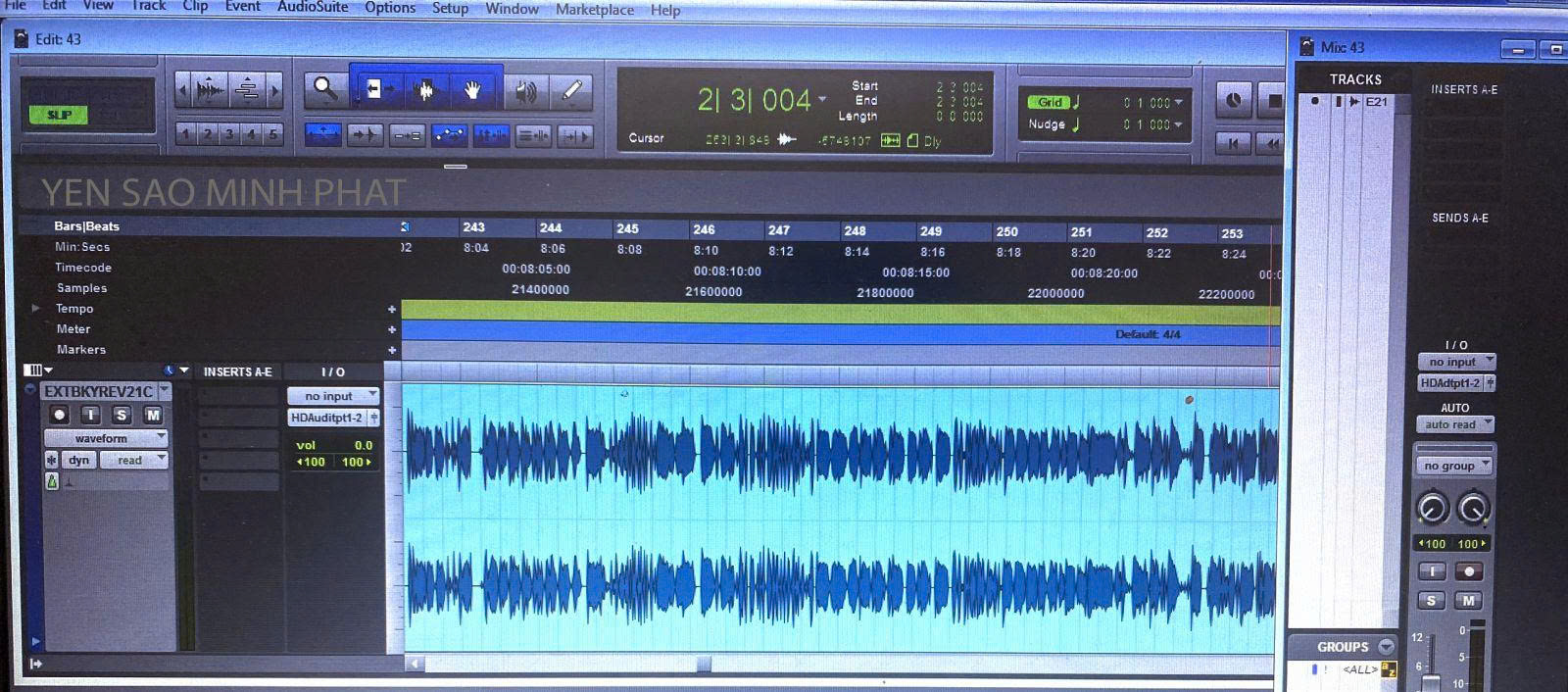
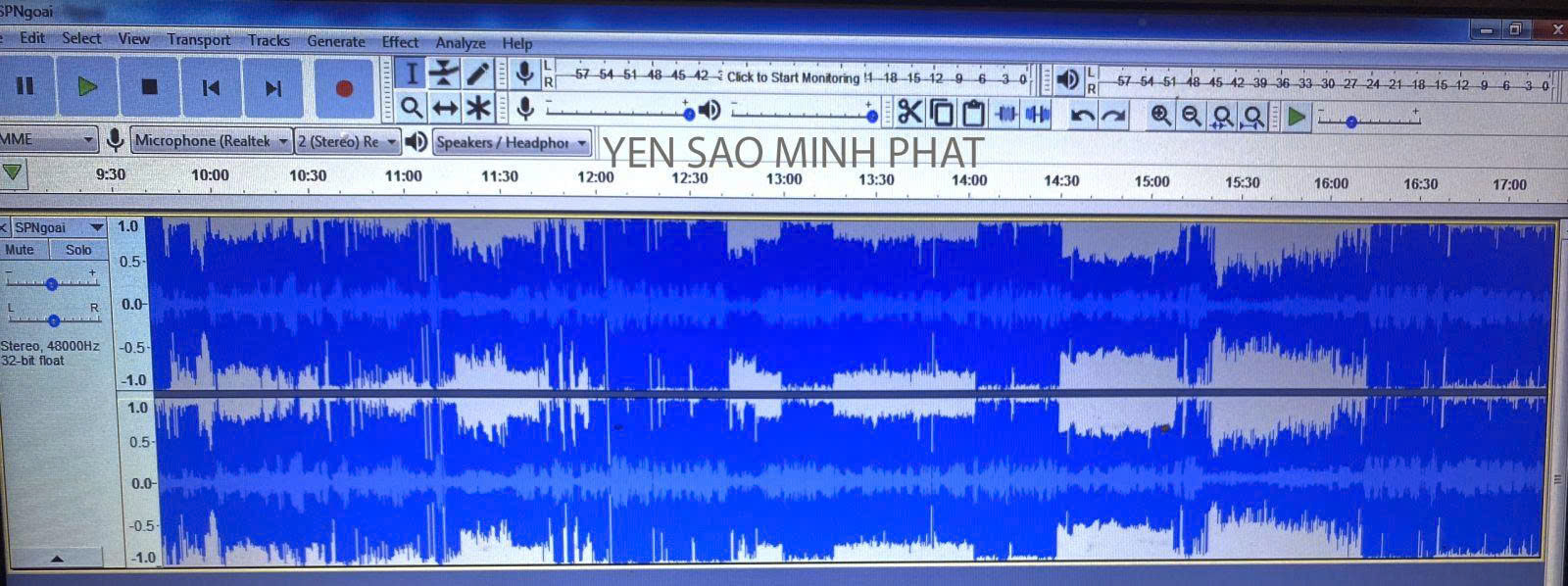
The file has been frequency-cut and the rhythm adjusted for smooth rendering - 2. The file is unevenly cut and spliced, with a lot of background noise...
- Advantages: Clear 1-hour file, easy to adjust volume, favorite of swiftlets, gentle entry... high detection rate in the room...
- Disadvantages: The 2-hour audio file is cheap but lacks depth; the sound is sometimes too loud and sometimes too soft, startling the swiftlets or causing them to fly away due to the echo, or they enter quickly and leave just as quickly... the detection rate is low.
Introduction
The SP Audio File 50 has been meticulously processed with precise frequency-cutting and rhythmic calibration to deliver a perfectly balanced acoustic output. This engineering eliminates harmonic distortion and prevents erratic fluctuations between excessive and weak sound intensities.
When integrated with a professional speaker array and strategically deployed at key locations—such as cave entrances, guide pathways, nesting room tweeters, hexagonal arrays, or flock attraction zones—this file achieves superior sound penetration. It is specifically designed to project acoustic signals deep into the facility’s internal chambers, instinctively drawing birds inward from the exterior and significantly increasing their dwell time within the nesting house.
Technical specifications
- Frequency response : 1 – 8 kHz
- Features : High-frequency cut, rhythm adjusted, noise eliminated.
- Sound transmission : High, sound can penetrate deep into the room.
- Usage locations : Cave entrance, guiding speaker, lullaby speaker, hexagonal shape, swarming
Outstanding advantages
- High-Fidelity Clarity & Precision Volume Control: A continuous 1-hour file delivering crystalline audio quality. Its balanced output allows for effortless volume calibration, ensuring the sound remains clear without becoming harsh or abrasive to the birds.
- Innate Biological Appeal & Gentle Entry: Specifically engineered with a "soothing" acoustic profile that swiftlets favor. This minimizes the birds' startle response, encouraging a calm and gradual approach rather than a flight reaction.
- Superior Interior Penetration: Boasts exceptional spatial projection, effectively directing acoustic signals deep into the nesting chambers. This maximizes the recruitment rate of potential birds searching for permanent roosting spots.
- Tactical Deployment Versatility: Offers unparalleled flexibility, making it compatible with various speaker configurations and strategic locations across the entire swiftlet farming infrastructure.
- Acoustic Rotation Compatibility: Designed for seamless integration and rotation with other sound files. This prevents "acoustic desensitization" (habituation), ensuring the attraction efficacy remains potent over long periods.
Instructions for effective installation and use
1. Choose speakers and a suitable speaker placement
- Loudspeaker/amplifier: used for attracting targets from a distance.
- Small bird-attracting/luring speaker: place indoors, in bird-perching areas.
- Position the speakers facing the birds' flight path, avoiding any obstructions that might block the sound.
2. Adjust the volume appropriately
- Start with a low volume and observe the bird's reaction.
- Increase the dosage gradually if the bird does not respond.
- Avoid turning the volume up too high, which could startle the birds, or too low, so they can't hear it.
3. Optimal pronunciation time
- Morning: 5:30 AM – 9:30 AM
- Evening: ~3:30 PM – 7:30 PM
4. Alternate & merge files
- Combine SP Audio 50 with other audio files to maintain its originality.
- Change the file if you notice the bird's reaction has decreased.
5. Monitoring & Adjustment
- Observe the birds flying, perching, and entering the cave entrance.
- Record the playback time, speaker position, and volume to improve for next time.
6. Equipment maintenance & inspection
- Regularly check speakers, cables, and connections.
- Clean and repair the sound system if it exhibits crackling or distortion.
7. Combining supporting elements
- Use a swiftlet house scent solution to help the birds identify a safe area.
- Maintain a dark environment in the swiftlet house, with minimal external light and appropriate humidity.
Why should you choose SP Audio 50?
- Advanced Acoustic Processing: The file has undergone rigorous technical mastering, including high-frequency filtering and rhythmic calibration, to achieve a crystalline, "easy-on-the-ear" sound quality.
- Universal Configuration Compatibility: Engineered for maximum versatility, it is perfectly suited for diverse speaker arrays and various swiftlet house architectural models.
- Superior Spatial Penetration: Boasts high-performance acoustic projection, ensuring the signal travels effectively into the deepest interior zones of the nesting facility.
- Professional Technical Support: Includes expert guidance on optimal file deployment, customized to match the specific structural layout of your individual swiftlet house.
- Field-Proven Performance: Highly acclaimed by professional farmers for its "High-fidelity 1-hour clarity"—naturally favored by swiftlets for its "gentle entry" profile and exceptional room exploration rates.
Customer feedback
Quoc An
I tried many different audio files, but SP Audio 50 gave the most noticeable results. After about a week of changing files, the birds started returning more often, and the sounds were smooth, not harsh, and very natural. I especially liked the clear sound quality and the ease of adjusting the speaker, without distortion.
Thao Trang
This audio file is really easy to use; just adjust the volume and the sound spreads evenly throughout the house. The birds reacted quite well, especially in the early morning. When I combined it with the lullaby file inside, I noticed a significant increase in the number of birds flying around.